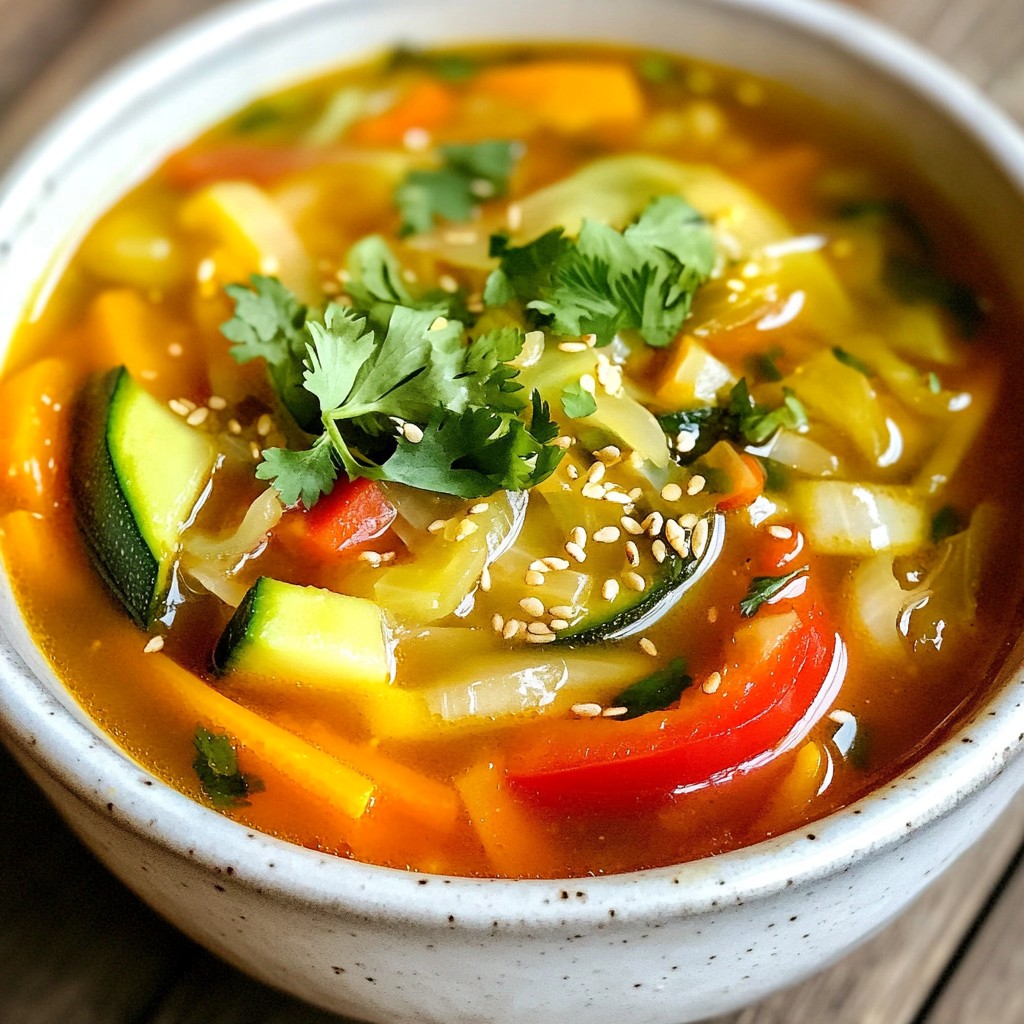
When winter chills set in, a warm bowl of Korean Winter Veggie Soup is just what you need. This hearty meal fills you up and nourishes your soul. Made with fresh vegetables, mushrooms, and rich broth, it’s easy to prepare! Join me as we dive into this delightful recipe, perfect for cozy nights. Let’s create a dish that warms your heart and satisfies your cravings!
Why I Love This Recipe
- Comforting Warmth: This soup is a perfect remedy for cold winter days, providing a hearty and comforting meal that warms you from the inside out.
- Nutritious Ingredients: Packed with a variety of vegetables and tofu, this dish is not only delicious but also loaded with vitamins and nutrients.
- Easy to Make: With straightforward steps and minimal prep time, this recipe is accessible for both novice and experienced cooks alike.
- Versatile Flavor: The combination of sesame oil, soy sauce, and gochugaru creates a unique flavor profile that can be adjusted to suit personal taste preferences.
Ingredients
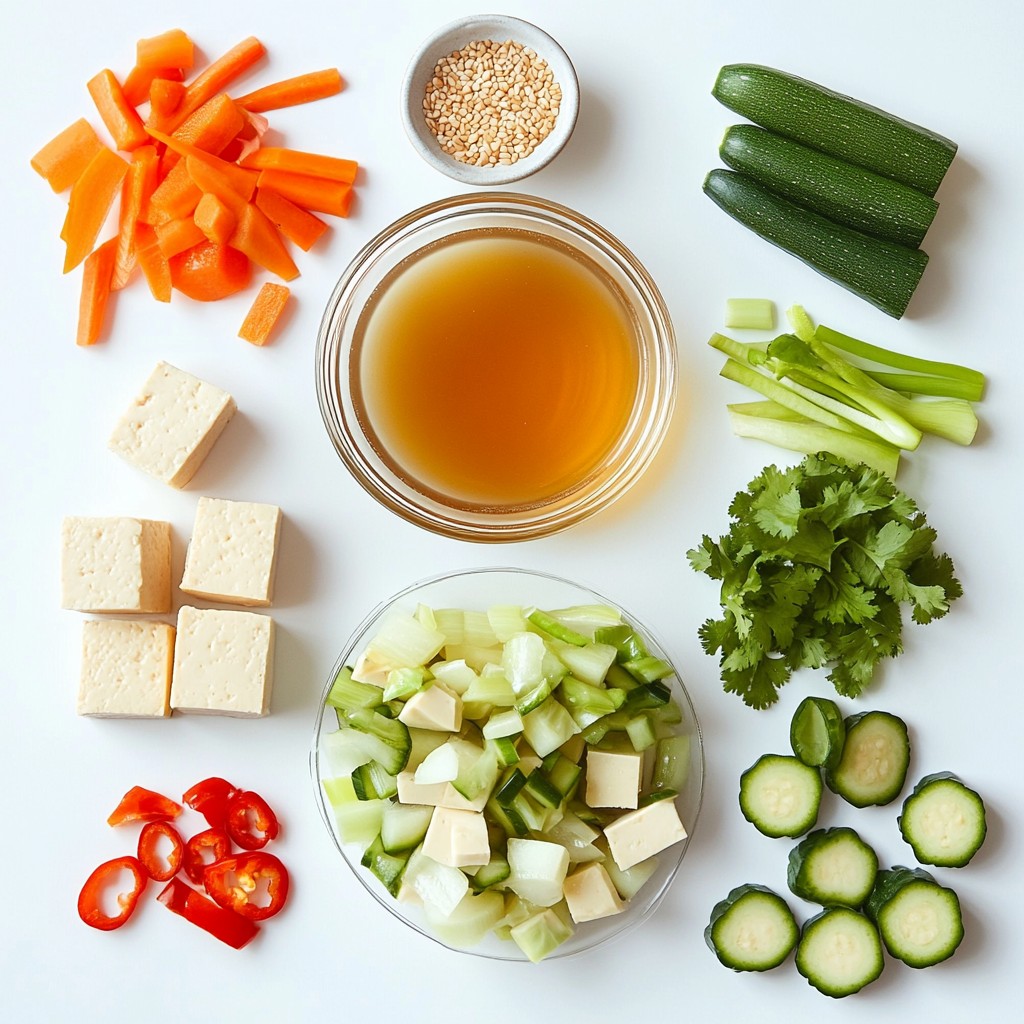
Here are the ingredients you will need for the Korean Winter Veggie Soup:
- 4 cups vegetable broth
- 1 tablespoon sesame oil
- 1 medium onion, finely diced
- 2 cloves garlic, minced
- 1 cup shiitake mushrooms, cleaned and sliced
- 1 cup napa cabbage, chopped into bite-sized pieces
- 1 carrot, julienned
- 1 red bell pepper, diced into small cubes
- 1 zucchini, sliced into half-moons
- 1 cup firm tofu, cut into 1-inch cubes
- 2 green onions, finely chopped
- 1 tablespoon soy sauce
- 1 tablespoon gochugaru (Korean chili flakes)
- Salt and pepper to taste
- Fresh cilantro, roughly chopped for garnish
Each ingredient plays a role in the soup's rich flavor and warmth. The vegetable broth serves as the base. The sesame oil adds a nutty note. Onion and garlic bring depth, while shiitake mushrooms offer umami. Napa cabbage and bell peppers add crunch. Carrots bring sweetness, and zucchini adds a soft texture. Tofu makes it hearty and filling. The seasonings, including soy sauce and gochugaru, give it spice and warmth. Lastly, fresh cilantro brightens every bowl.
This list covers all you need to create a nourishing meal that warms you on cold days. Enjoy the process of gathering these ingredients to create your soup!
Step-by-Step Instructions
Preparation of Base
1. First, take a large pot and heat 1 tablespoon of sesame oil over medium heat.
2. Add 1 medium onion, finely diced, and 2 cloves of minced garlic. Sauté for about 3-4 minutes. The onion should turn soft and clear.
3. Next, add 1 cup of cleaned and sliced shiitake mushrooms to the pot. Cook for 2-3 minutes until they soften and share their flavor.
Adding Vegetables
1. Now, it's time to add some color. Introduce 1 cup of chopped napa cabbage, 1 julienned carrot, 1 diced red bell pepper, and 1 sliced zucchini.
2. Stir everything well and cook for about 5 minutes. You want the veggies to soften but still keep their shape.
Final Steps
1. Pour in 4 cups of vegetable broth and bring it to a strong boil.
2. Once it starts boiling, lower the heat to a gentle simmer.
3. Gently add 1 cup of cubed firm tofu, 2 finely chopped green onions, 1 tablespoon of soy sauce, and 1 tablespoon of gochugaru.
4. Let the soup simmer for 10-15 minutes. This step helps all the flavors mix well.
5. Taste the soup. Season with salt and pepper as you like.
6. When the veggies are tender, remove the pot from the heat. Ladle the warm soup into bowls.
7. Lastly, garnish each bowl with fresh cilantro. This adds a nice touch just before serving.
Tips & Tricks
Perfecting Flavor
To make your Korean Winter Veggie Soup truly shine, focus on adjusting the seasoning. Start with a little salt and pepper. You can always add more later. Taste your soup as it cooks. This ensures you get the flavor just right for your palate.
Using fresh ingredients is key. Fresh vegetables pack more flavor and nutrients than old ones. When selecting your veggies, look for vibrant colors and firm textures. This soup is a celebration of freshness, so don't skimp on quality.
Cooking Techniques
Sautéing your onions and garlic is a great way to enhance flavor. Heat sesame oil in a pot before adding them. This method brings out their sweetness and aroma. Cook them until they are soft and translucent. This step creates a strong base for your soup.
To ensure your vegetables are tender, cook them gently. After adding the napa cabbage, carrots, bell pepper, and zucchini, stir often. This helps them soften evenly. Aim for a slight crunch; the soup should still have texture.
Serving Suggestions
Presentation can elevate your soup. Serve it in deep bowls to show off the colorful veggies. A sprinkle of green onions and a pinch of gochugaru on top adds a nice touch. These small details make your dish inviting and appetizing.
For a complete meal, serve your soup with fluffy steamed rice. The rice balances the flavors and makes the meal heartier. You can also offer some kimchi on the side for an extra kick of flavor. This pairing enhances the overall experience.
Pro Tips
- Use Fresh Ingredients: Opt for fresh, seasonal vegetables for the best flavor and nutrition in your soup.
- Adjust Spice Levels: Modify the amount of gochugaru to suit your spice preference; start with less if you're unsure.
- Storage Tips: Store leftover soup in an airtight container in the fridge for up to 3 days; reheat gently to avoid overcooking the tofu.
- Enhance Umami Flavor: Add a splash of soy sauce or a dash of miso for an extra depth of umami in your soup.
Variations
Ingredient Substitutions
You can change vegetables in this soup to suit your taste. Here are some ideas:
- Use kale instead of napa cabbage.
- Swap shiitake mushrooms for button mushrooms.
- Try adding sweet potatoes or butternut squash for extra sweetness.
- You can also add spinach or bok choy for more greens.
For broth, feel free to use chicken broth if you want a different flavor. Vegetable broth works great for a lighter taste. You can even use miso broth for a deeper umami flavor.
Spice Adjustments
Gochugaru gives this soup a nice kick. If you want more heat, add extra gochugaru. Start with a small amount and taste as you go. If you want less heat, reduce the gochugaru or skip it altogether.
You can also enhance flavors by adding fresh ginger or a splash of rice vinegar. These ingredients brighten the soup and add depth.
Vegan and Gluten-Free Options
This recipe is easy to adapt for vegan and gluten-free diets. To keep it vegan, ensure your broth is vegetable-based. Most vegetable broths are vegan, but check the label.
For gluten-free options, use gluten-free soy sauce or tamari. This keeps the soup flavorful without any gluten. You can also substitute regular tofu with a gluten-free version if needed.
Storage Info
Cooling and Storing
To cool your soup properly, let it sit at room temperature for about 30 minutes. This helps avoid heat build-up. After cooling, pour the soup into clean containers. I recommend using glass jars or airtight plastic containers. These keep the soup fresh and safe. Make sure to leave some space at the top. Soup expands when frozen.
Reheating Tips
When you're ready to enjoy your soup again, the best way to reheat it is on the stove. Pour the soup into a pot and heat on medium. Stir often to avoid sticking. You can also use a microwave, but do it in short bursts. Stir in between to keep the heat even. This method helps keep the flavor strong and the texture nice.
Freezing Guidelines
If you want to prepare meals ahead, freezing is a great choice. Pour cooled soup into freezer-safe containers. Label them with the date and type of soup. For best results, use within three months. When you want to eat it, move it to the fridge overnight to thaw. You can also thaw in the microwave. After thawing, reheat it as mentioned before. Enjoy the comfort of Korean Winter Veggie Soup any time!
FAQs
What is Korean Winter Veggie Soup?
Korean Winter Veggie Soup is a warm and hearty dish. It celebrates seasonal veggies. This soup is popular during cold months in Korea. Families share it to bond and enjoy warmth. The flavors come from fresh ingredients and spices. Gochugaru adds a mild heat, while sesame oil gives a nutty taste. Eating this soup feels like a hug on a chilly day.
Can I make this soup ahead of time?
Yes, you can make this soup ahead of time. It stores well in the fridge. Prepare it in advance for quick meals. Just cool the soup and store it in a container. When you want to eat it, just reheat. The flavors will deepen as it sits. This makes it perfect for busy days when you need a quick meal.
How do I customize this recipe?
You can easily customize this recipe to your taste. Add your favorite vegetables like spinach or bok choy. If you like more heat, add extra gochugaru. You can also use different proteins. Try chicken or shrimp for a twist. Adjust the broth for a richer flavor, too. Make it your own and enjoy every bite!
In this post, we explored how to make Korean Winter Veggie Soup. We discussed the key ingredients, from rich vegetable broth to fresh vegetables. I shared step-by-step instructions, helpful tips, and variations to suit your tastes.
Remember, cooking is about personal touch. Adjust the flavors, use fresh ingredients, and enjoy this warm, comforting dish. You can easily make it ahead and even freeze portions for later. Enjoy your time in the kitchen and the warmth of your soup!