

Get ready to bake a treat that combines vibrant flavors with artisanal skill! In this post, you’ll learn how to make Lemon Blueberry Cream Cheese Artisan Sourdough. With fresh blueberries and creamy cheese, this bread delights every bite. I will guide you through each step, the tools you need, and some handy tips. Let’s turn your kitchen into a bakery and impress your family with this mouthwatering loaf!
Why I Love This Recipe
- Bright Flavors: The combination of lemon and blueberry brings a refreshing and vibrant flavor to every bite, making it a perfect treat for any occasion.
- Unique Texture: The cream cheese adds a rich creaminess that contrasts beautifully with the chewy sourdough crust, creating a delightful texture experience.
- Artisan Appeal: This recipe gives you the satisfaction of creating a stunning artisan loaf that looks as good as it tastes, impressing family and friends.
- Healthier Indulgence: Using fresh blueberries not only enhances the flavor but also provides antioxidants, making this bread a healthier indulgence.
Ingredients
List of Main Ingredients
- 3 cups all-purpose flour
- 1 cup lukewarm water
- 1 cup active sourdough starter
- 1 teaspoon salt
- 2 tablespoons sugar
- Zest of 1 lemon
- 1 cup fresh blueberries (or frozen)
- 4 oz cream cheese, softened
- 1 tablespoon lemon juice
- Extra flour for dusting
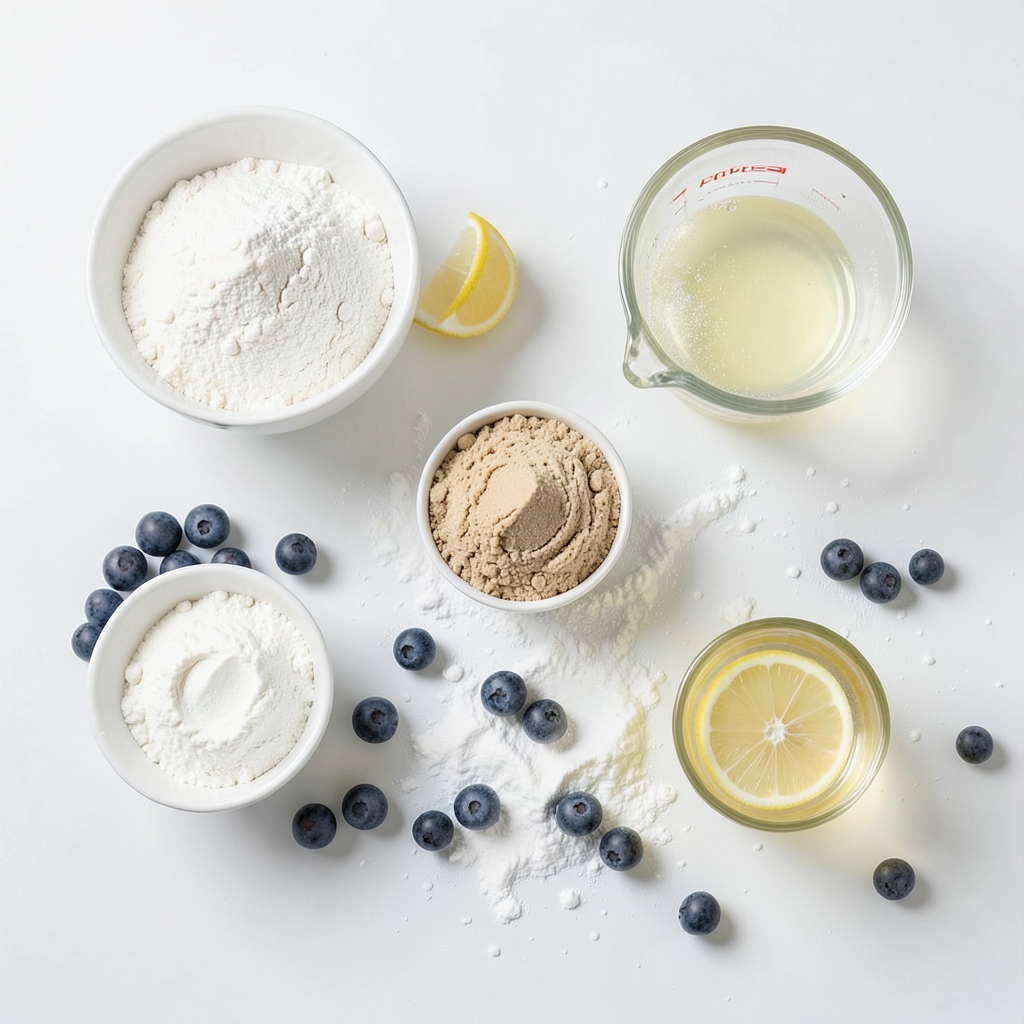
This recipe starts with a strong base. The all-purpose flour gives the bread structure. Active sourdough starter adds flavor and helps the dough rise. The salt balances the taste, while sugar boosts the yeast's work. Fresh blueberries provide sweetness and color. Cream cheese adds a rich texture and tang. Lemon zest makes it bright and fresh.
Optional Add-ins
- Lemon zest
- Additional sweeteners
Lemon zest is optional but highly recommended. It enhances the lemon flavor. If you prefer a sweeter bread, add more sugar. Honey or maple syrup works well too.
Tools Needed
- Mixing bowls
- Dutch oven
- Proofing basket
You need a few tools for this recipe. Mixing bowls are key for combining ingredients. A Dutch oven creates a perfect baking environment. A proofing basket helps shape the dough. Make sure you have these ready before you start.
Step-by-Step Instructions
Preparing the Dough
- First, mix the dry ingredients. In a large bowl, whisk together 3 cups of all-purpose flour, 1 teaspoon of salt, and 2 tablespoons of sugar. This step is easy and quick.
- Next, combine the wet ingredients. In another bowl, mix 1 cup of lukewarm water, 1 cup of active sourdough starter, and the zest of 1 lemon. Stir until smooth.
- Gradually pour the wet mix into the dry mix. Use a wooden spoon to stir until a shaggy dough forms.
Autolyse and First Rise
- Autolyse is key. This step helps the flour absorb water and develop gluten. Cover the bowl with a damp cloth. Let it rest for 30 minutes to 1 hour.
- After resting, knead the dough. Use your hands for about 5-7 minutes. The dough should feel smooth and elastic.
Incorporating Blueberries and Cream Cheese
- Now, it’s time to add the blueberries and cream cheese. Divide 4 ounces of softened cream cheese into small dollops.
- Starting from the edges, gently fold in both the cream cheese and 1 cup of fresh blueberries. Be careful not to smash the berries.
Bulk Fermentation
- Cover the bowl again with a damp cloth. Let the dough rise in a warm spot for 4-6 hours. It should double in size.
- During the first two hours, perform stretch and fold techniques. Do this every 30 minutes to build strength in the dough.
Shaping the Dough
- Lightly flour your work surface. Gently place the dough on it. Shape it into a round loaf by tucking edges toward the center. This creates surface tension.
- Let the loaf rest for 20 minutes, uncovered. This helps relax the gluten.
Final Proofing and Baking
- Carefully place the shaped loaf into a floured proofing basket, seam side up. Cover it with a cloth. Let it proof for 1-2 hours at room temperature, or refrigerate overnight for more flavor.
- About 30 minutes before baking, preheat your oven to 450°F (232°C). Place a Dutch oven or baking stone inside to heat up.
- When ready, remove the hot Dutch oven. Gently flip the loaf into the pot, seam side down. Cover it with the lid. Bake for 30 minutes with the lid on.
- After 30 minutes, remove the lid. Continue baking for 15-20 minutes until the loaf is golden brown with a crispy crust.
Cool the Bread
- Once baked, transfer the bread to a wire rack. Let it cool completely before slicing. This keeps the texture perfect.
Tips & Tricks
Perfecting Your Sourdough
- Understanding fermentation times: Sourdough needs time to develop flavor. The first rise should take 4-6 hours. Keep the dough in a warm spot. Look for it to double in size. This shows it's ready for the next step.
- Temperature control for rising: Ideal dough temperature is around 75°F to 80°F. If it’s too cold, the dough rises slowly. If too warm, it may rise too fast. Use a warm oven or a sunny window to help.
Troubleshooting Common Issues
- What to do if the dough doesn't rise: If your dough does not rise, check the starter. It must be active and bubbly. If not, feed it and wait. You may also try a warmer spot.
- Adjusting ingredients for humidity levels: Dough can be tricky on humid days. Add a bit more flour if the dough feels too sticky. In dry weather, you might need extra water. Adjust the recipe based on your kitchen's feel.
Presentation Tips
- Serving suggestions: Slice the warm bread and spread on extra cream cheese. A drizzle of honey adds sweetness. Serve with fresh fruit for a colorful plate.
- Garnishing ideas: Add a sprig of fresh mint on top. This gives a nice pop of color. It also adds a lovely aroma. A dusting of powdered sugar can be pretty too.
Pro Tips
- Use Fresh Ingredients: Always opt for fresh blueberries and high-quality cream cheese to enhance the flavor of your bread.
- Monitor Dough Temperature: Ensure your dough is kept in a warm environment during fermentation to encourage proper rising. Aim for a temperature between 75°F to 80°F (24°C to 27°C).
- Experiment with Proofing Times: Don't hesitate to adjust proofing times based on your kitchen's temperature; longer proofing can develop more complex flavors.
- Cool Completely Before Slicing: Allow the bread to cool fully on a wire rack before slicing to maintain the best texture and prevent it from becoming gummy.
Variations
Alternative Fruits to Use
You can swap blueberries for other fruits. Raspberries work well in this recipe. Their tartness adds a nice contrast. Strawberries are another great option. They bring a sweet, juicy flavor. Just chop them into small pieces. This will help them mix well into the dough.
Flavor Enhancements
Add spices for a new twist. A bit of cinnamon can enhance the flavor. Nutmeg adds warmth and depth too. You can also mix in nuts like walnuts or pecans. They bring a crunch that complements the soft bread. Chop them into small bits so they blend nicely.
Making a Savory Version
You can create a savory sourdough too. Try adding fresh herbs like rosemary or thyme. They pair well with cheeses like feta or goat cheese. Just fold them into the dough during the mixing stage. This will give your bread a whole new taste. Adjust the sugar to balance the flavors.
Storage Info
How to Store Leftovers
Store your Lemon Blueberry Cream Cheese Artisan Sourdough at room temperature for short time. Keep it in a bread box or a paper bag. If you want to store it longer, put it in the fridge. Wrap it in plastic wrap or a zip-top bag to prevent it from drying out. This bread tastes best fresh, but it can last up to four days in the fridge.
To keep the bread fresh, slice it only when you need it. Whole loaves stay moist longer than sliced ones. If the crust feels too hard, warm the slices in the oven for a few minutes. This helps revive that lovely texture.
Freezing the Bread
Freezing your sourdough is a great way to enjoy it later. First, let the bread cool completely. Wrap it tightly in plastic wrap or foil. Then, place it in a zip-top bag. This prevents freezer burn. You can freeze it for up to three months.
When you’re ready to eat, take the bread out and let it thaw at room temperature. For a warm treat, pop it in the oven for a few minutes. This will help restore its crusty exterior. Enjoy this delightful treat whenever you want!
FAQs
How long does the bread last?
Your Lemon Blueberry Cream Cheese Artisan Sourdough stays fresh for about 3 to 5 days. Store it in a paper bag at room temperature. This keeps the crust crispy. If you want it to last longer, wrap it tightly and freeze it. It can stay good for up to 3 months in the freezer.
Can I use whole wheat flour?
Yes, you can use whole wheat flour. It gives a nutty flavor and more fiber. I recommend using half whole wheat and half all-purpose flour. This mix keeps the bread soft and adds nutrition. Be aware that whole wheat absorbs more water, so you may need to add a bit more liquid.
What can I serve with Lemon Blueberry Cream Cheese Artisan Sourdough?
This bread goes well with many spreads. Try it with extra cream cheese for richness. Honey or jam complements the tangy lemon and sweet blueberries. You can also serve it with butter or a fruit compote. Add fresh fruit on the side for a pretty touch.
Is this recipe suitable for beginners?
Absolutely! This recipe is beginner-friendly. Start by measuring your ingredients carefully. Don’t rush the rising times; they are key to good bread. Follow each step slowly and enjoy the process. Don’t worry if your first loaf isn’t perfect. Practice makes perfect!
You learned the key ingredients and tools for making lemon blueberry cream cheese artisan sourdough. The step-by-step method guides you through creating the perfect loaf. Tips help you fix common problems and add fun flavors. Remember, experimenting with variations can enhance your baking.
With proper storage methods, you can keep your bread fresh and enjoyable. Embrace the journey of sourdough baking; each attempt brings you closer to mastery. Happy baking!