

If you love fresh bread, you'll adore Lemon Blueberry Sourdough! This delightful loaf combines tangy lemon and sweet blueberries for a flavor boost that your taste buds will thank you for. I’ll guide you through each step, from selecting the right ingredients to baking the perfect crust. Get ready to impress your family and friends with this simple yet delicious recipe! Let’s dive in!
Why I Love This Recipe
- Bright and Refreshing Flavor: The combination of lemon and blueberries creates a delightful balance of tartness and sweetness, perfect for any time of the day.
- Unique Sourdough Texture: This recipe showcases the amazing texture of sourdough, with a chewy crust and a soft, airy interior that enhances the overall eating experience.
- Healthier Alternative: Using fresh blueberries adds a burst of antioxidants and vitamins to the bread, making it a deliciously healthier choice compared to traditional sweet breads.
- Customizable Sweetness: With the option to add honey, you can easily adjust the sweetness to suit your taste, making it versatile for both breakfast and dessert.
Ingredients
Main Ingredients List
- 500g all-purpose flour
- 150g active sourdough starter
- 350ml warm water (about 105°F/40°C)
- 10g sea salt
- Zest of 1 large lemon
- 50ml freshly squeezed lemon juice
- 150g fresh blueberries (lightly coated with flour)
- 1 tablespoon honey (optional for added sweetness)
- Extra flour for dusting
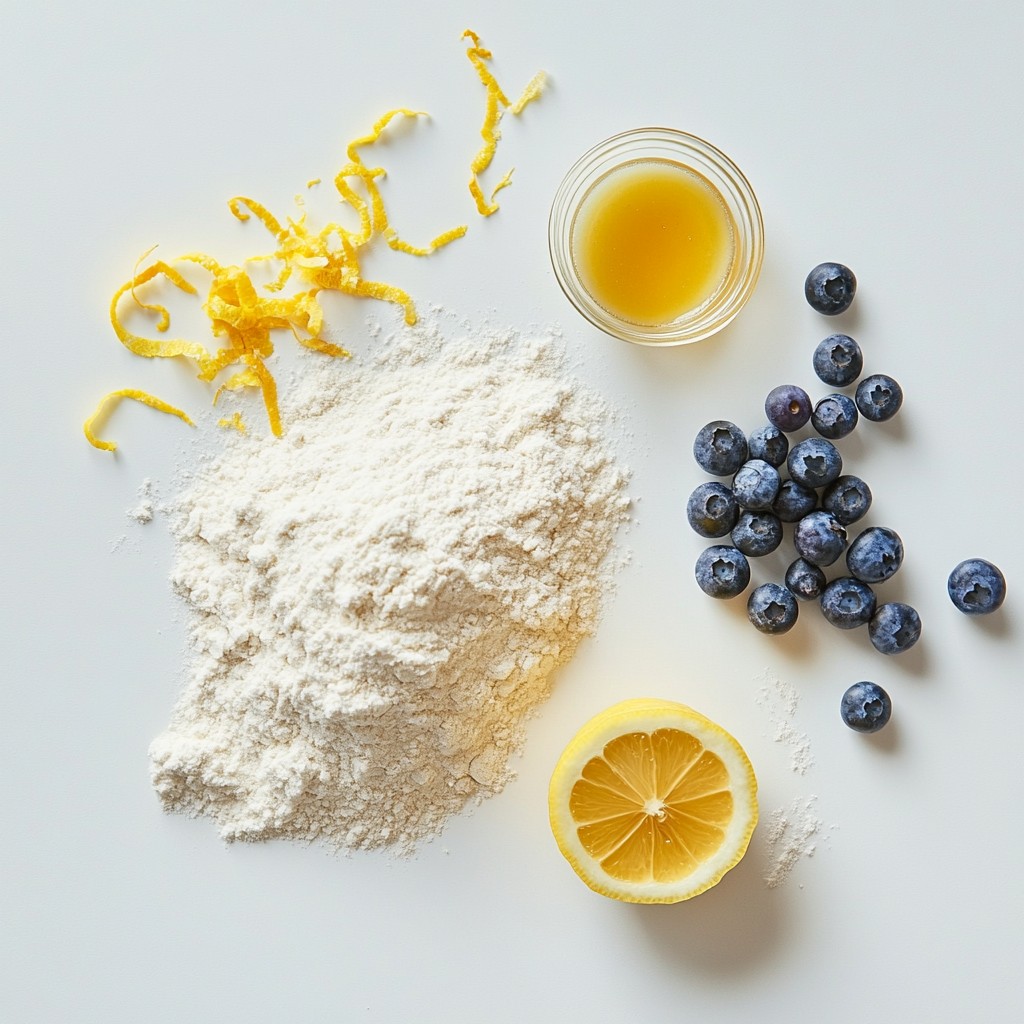
These ingredients create the base for a delightful lemon blueberry sourdough. The flour gives structure, while the starter adds that tangy flavor. Warm water helps activate the starter. The salt brings out all the flavors, and the lemon zest and juice add a fresh burst. Blueberries bring natural sweetness and color.
Optional Ingredients for Added Flavor
- 1 tablespoon honey (for a sweeter taste)
- Herbs like rosemary or thyme (to mix with the lemon)
Adding honey can enhance sweetness, balancing the tartness of the lemon. Fresh herbs can give a unique twist. Just a hint can elevate the flavor profile. Don't hesitate to experiment!
Ingredient Substitutions
- All-purpose flour can be replaced with bread flour for a chewier texture.
- If you lack a sourdough starter, you can use instant yeast instead, but the flavor will differ.
- For a citrus twist, use lime juice and zest instead of lemon.
These substitutions allow flexibility. You can adjust based on what you have. Each swap can lead to a different yet tasty result, so feel free to get creative.
Step-by-Step Instructions
Mixing the Base
Start by mixing the base. In a large bowl, add 350ml of warm water. Then, include 150g of your active sourdough starter. Stir gently until it is fully blended and frothy. This step activates the yeast.
Next, gradually add 500g of all-purpose flour, 10g of sea salt, the zest of 1 large lemon, and 50ml of freshly squeezed lemon juice. If you want it sweeter, add 1 tablespoon of honey. Mix everything until it combines into a rough dough.
Forming and Kneading the Dough
Now, it’s time to form the dough. Use a wooden spoon to mix until it starts to come together. Switch to your hands and knead the dough in the bowl for about 5 minutes. It should feel smooth but slightly tacky.
After that, transfer the dough onto a lightly floured surface. Knead it by hand for an extra 10 minutes. Your goal is to make it elastic and pliable. This process builds strength in the dough.
Incorporating Blueberries
Now, let’s add the blueberries. Take 150g of fresh blueberries that you have lightly coated with flour. Gently fold them into the dough. Use soft motions to avoid breaking the berries. Ensure they are spread evenly throughout the dough for that burst of flavor in every bite.
Tips & Tricks
Best Practices for Sourdough Baking
To bake great sourdough, start with a strong sourdough starter. It should be active and bubbly. Feed it a day before you bake to ensure it has energy. Use a kitchen scale for precise measurements. This helps you get consistent results each time. Always use warm water, around 105°F (40°C), to wake up your starter. Keep your work area clean and organized for better focus.
Achieving the Perfect Crust
A good crust starts with steam. Place a Dutch oven in the oven while it preheats. This creates steam when you bake the bread. Bake with the lid on for the first part. This traps steam and helps the bread rise. Remove the lid for the last 15-20 minutes to crisp the crust. You want a deep golden brown color for the best flavor.
How to Tell When Bread is Done
To know if your bread is done, tap the bottom. It should sound hollow. Use a thermometer to check the internal temperature. It should be about 200°F (93°C) when done. If you’re unsure, let it bake a bit longer. Cool the bread on a wire rack for the best texture. Wait at least 30 minutes before slicing. This step is key for great flavor and texture.
Pro Tips
- Hydration is Key: Adjust the amount of water slightly based on your flour type and humidity to achieve the perfect dough consistency.
- Use Fresh Ingredients: Always use fresh blueberries and freshly squeezed lemon juice for the best flavor and aroma in your sourdough.
- Monitor the Rise: Keep an eye on the dough during the rising phase; rising times can vary based on room temperature and starter activity.
- Cool Before Slicing: Allow the bread to cool completely on a wire rack before slicing to ensure a better texture and slice integrity.
Variations
Different Fruit Combinations
You can change the fruit in this recipe. Try raspberries or strawberries for a sweet twist. Peaches and cherries also work well, bringing a juicy flavor. Each fruit adds its unique taste and color. Mix and match to find your favorite!
Adding Nuts or Seeds
For a crunchy texture, add nuts or seeds. Walnuts give a nice crunch and a deep flavor. Almonds or pecans can also work well. If you prefer seeds, try sunflower or pumpkin seeds. They add healthy fats and protein to your bread.
Sourdough Enhancements (e.g. spices, herbs)
Spices and herbs can change the flavor of your bread. Adding a bit of cinnamon can give warmth and depth. If you love herbs, consider fresh rosemary or thyme. These will add a savory note to your sourdough. Experiment with different combinations to find what you love best!
Storage Info
How to Properly Store Lemon Blueberry Sourdough
To keep your lemon blueberry sourdough fresh, wrap it in cling film or place it in a bread box. Store it at room temperature for up to three days. If you want it to last longer, refrigerate it in a sealed bag. This helps maintain its moisture and flavor.
Freezing Instructions
You can freeze this sourdough for later enjoyment. First, let it cool completely after baking. Slice the bread into pieces, then wrap each slice in plastic wrap. Place the wrapped slices in a freezer bag. This way, you can grab just what you need. It keeps well for up to three months.
Best Ways to Reheat
To enjoy your sourdough again, reheat it in the oven. Preheat your oven to 350°F (175°C). Place the slices directly on the rack or a baking sheet. Heat for about 10 minutes. This restores the crust’s crispness and warms the bread inside. You can also toast slices in a toaster for a quick option.
FAQs
What is a sourdough starter?
A sourdough starter is a mix of flour and water. It captures wild yeast and bacteria from the air. This mix helps bread rise and adds a unique flavor. You feed it regularly with flour and water to keep it active. A healthy starter can make your bread light and flavorful.
How long does the sourdough need to rise?
The sourdough needs to rise for about 4 to 6 hours. This time allows the dough to double in size. After the first rise, shape the dough and let it rise again for 1 to 2 hours. This second rise helps develop the bread's texture and taste.
Can I use frozen blueberries in the recipe?
Yes, you can use frozen blueberries. Just make sure to dust them with flour first. This step helps prevent them from sinking in the dough. Keep in mind that frozen blueberries may burst more easily. Handle them gently when folding them into the dough.
What can I serve with Lemon Blueberry Sourdough?
You can serve Lemon Blueberry Sourdough with lemon-infused olive oil for dipping. It also pairs well with butter or cream cheese. For a fun twist, try it with lemon curd or yogurt. These toppings enhance the bright flavors of the bread.
How can I make this recipe gluten-free?
To make it gluten-free, swap the all-purpose flour with a gluten-free blend. Look for a blend that includes xanthan gum. This will help mimic the texture of regular flour. You may need to adjust the water amount for the right dough consistency.
Now you know the key steps for making Lemon Blueberry Sourdough. We covered main and optional ingredients, along with substitutions. You learned how to mix the dough, incorporate blueberries, and achieve perfect crust and texture.
With a few variations and storage tips, you can enjoy this delicious bread any time. Remember, sourdough baking takes practice. Keep trying, and soon you’ll bake the bread of your dreams. Enjoy the process and the tasty results!